
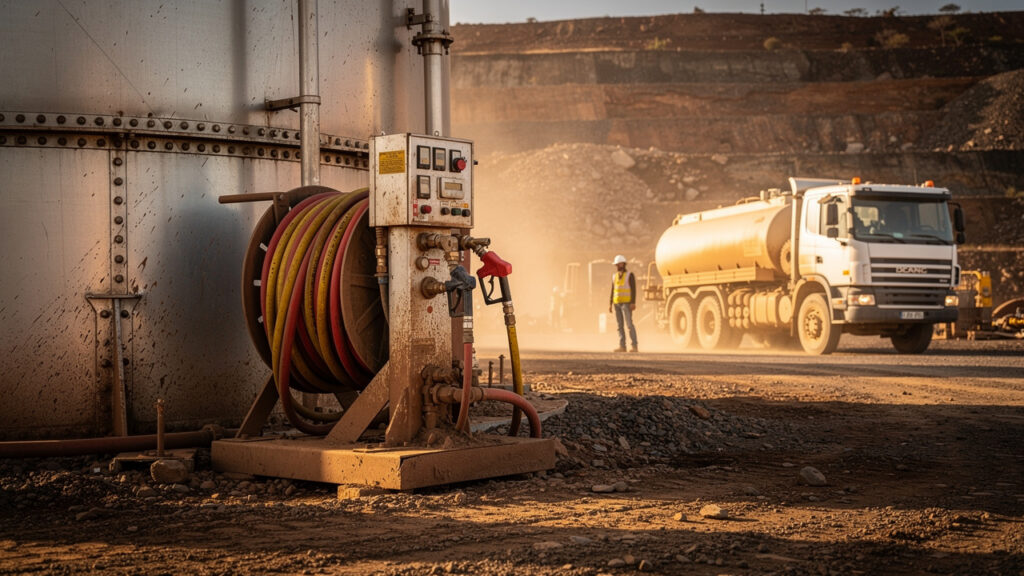
Diesel now costs R30.85 a litre inland and R29.98 at the coast, even after a temporary R3 per litre fuel levy cut that drops to R1.50 from 2 December 2026. For mines and construction sites running bowsers, bulk tanks and heavy plant around the clock, every litre that disappears through theft, siphoning or poor tracking becomes a direct hit to the bottom line. This is why fuel management challenges in mining and construction demand urgent attention, not just a once-a-year review. This article unpacks the biggest blind spots behind diesel losses on South African sites and shows how tools like Digit D-Fuel and Digit D-Bulk from Digit 247 FMS help operators measure, monitor and lock down fuel at the source.
Key takeaways
- Diesel theft and siphoning quietly drain margins on mining and construction sites, often going unnoticed for weeks at a time.
- CANBUS data and paper logs are built for dashboards and convenience, not for catching theft or confirming real litres in a tank.
- Controlling fuel at the bowser and bulk tank stops losses before they spread across a whole fleet.
- Reconciliation and RFID-based access turn diesel into a tracked, auditable resource instead of a guessing game.
- Monitoring hardware has to cope with the dust, heat, vibration and patchy signal found on remote South African sites.
Why fuel is such a high-stakes cost on mining and construction sites
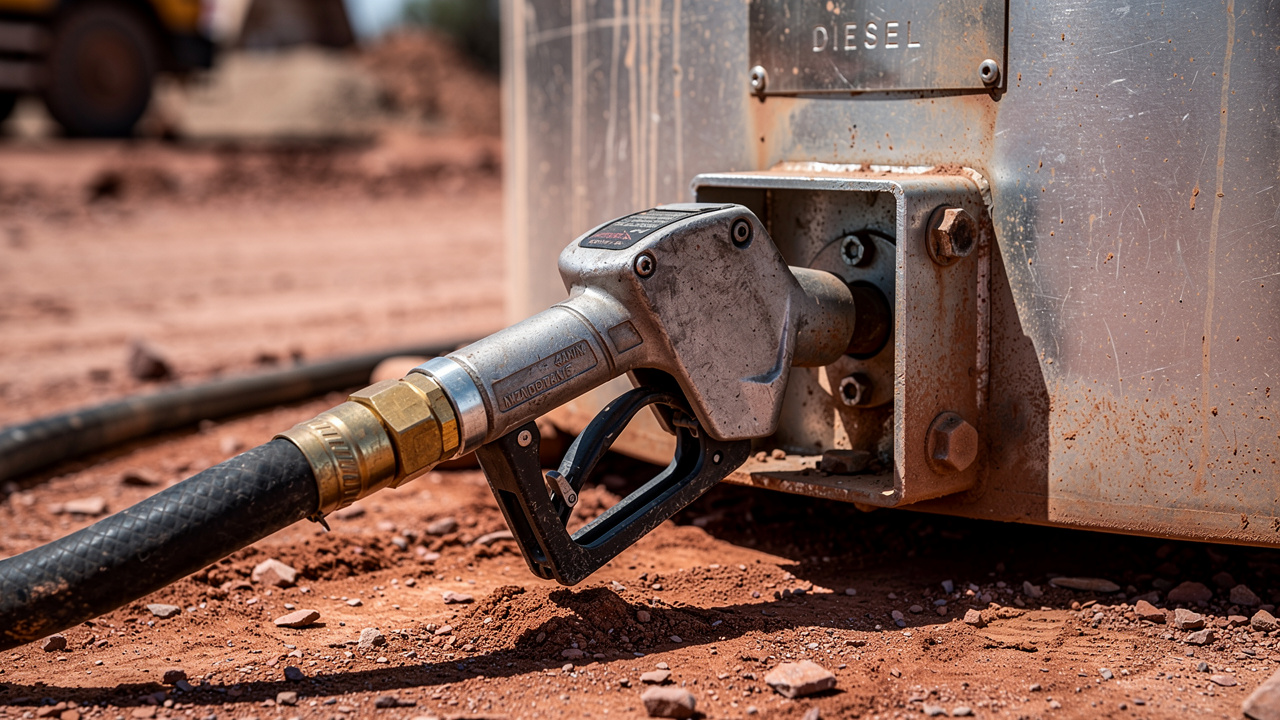
Fuel keeps a mining or construction site moving, powering haul trucks, excavators, generators and bowsers from the first shift to the last. On many sites, diesel ranks among the top operating costs, often rivalling labour and plant finance payments. Even a modest fleet burns through thousands of litres weekly, so fuel management challenges in mining and construction carry real financial weight.
At R30.85 a litre inland, losing just 50 litres a day from one bowser works out to about R46,000 a month (50 litres × 30 days × R30.85), long before counting losses across other vehicles or sites. Multiply this across trucks, loaders and generators running continuously, and small unnoticed leaks or thefts become a serious annual drain. This is why on-site fuel management has become a front-line financial control, not a back-office task.
What are the biggest fuel management challenges in mining and construction?

Several recurring problems combine to create blind spots around diesel on South African mines and construction sites, from theft at unattended bowsers to data that arrives too late to act on, challenges documented in a holistic diesel management study focused on open-cast gold mining operations. Left unmanaged, each challenge compounds the next, turning small losses into a far larger cost by year end.
Diesel theft and siphoning on-site
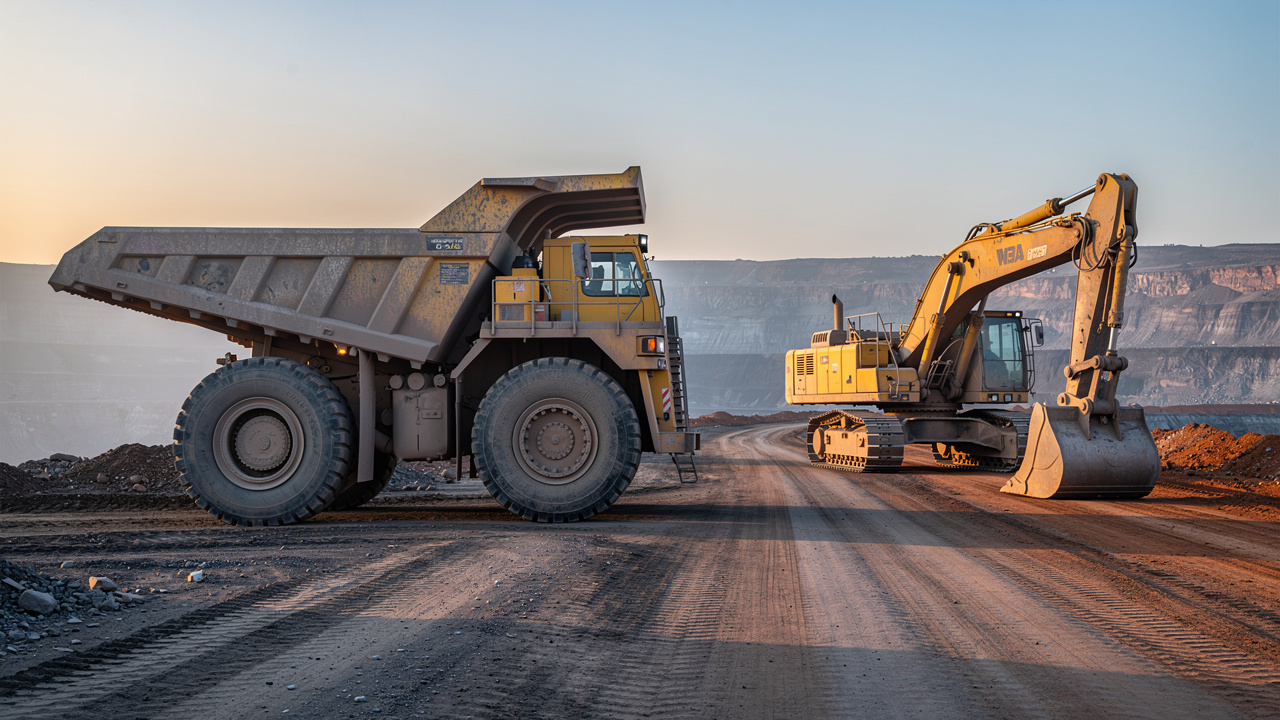
Diesel theft on mining and construction sites takes several forms, including:
- Siphoning fuel directly from tanks
- Drilling holes into tanks
- Unauthorised pump use
- Collusion during refuelling
The amounts involved can be large. In June 2026, the KwaZulu-Natal Department of Transport arrested an employee in connection with a diesel theft syndicate that allegedly took more than R300,000 worth of diesel a month in one area, hitting road construction and maintenance projects.
Remote equipment and unattended bowsers are especially exposed, since operators and generators often sit far from supervision for hours at a stretch. This exposure makes diesel theft on construction sites one of the hardest losses to catch without proper monitoring.
Manual tracking and blind spots
Paper-based fuel logs and driver-reported figures only tell the story after it has already happened. A tank might be topped up, drained or leaking for days before anyone notices, because estimated consumption hides the small inconsistencies that matter most. By the time a manual log reveals a shortfall, the diesel is long gone and the responsible party is impossible to trace.
Inaccurate or delayed vehicle fuel data
Standard dashboard fuel gauges rely on CANBUS data that is smoothed and averaged for driver convenience, not pinpoint accuracy. This filtering means sudden drops from siphoning or a leak often disappear into the normal reading pattern. Because the data lags behind what is actually happening in the tank, managers relying on CANBUS alone tend to discover problems well after the fuel has gone.
Poor fuel reconciliation and accountability
Matching what a delivery slip claims against what actually lands in the tank is rarely done with any consistency on busy sites. Without per-vehicle dispensing records, it becomes difficult to prove which vehicle received which litres, or to hold any one operator accountable. This gap in fuel reconciliation lets discrepancies slip through unchallenged month after month.
Harsh sites and remote locations
Dust, heat and constant vibration shorten the working life of standard sensors and wiring on mining and construction equipment. Many sites also sit outside reliable network coverage, which makes real-time monitoring harder to maintain unless the hardware and connectivity are built for these conditions from the start.
How can mining and construction sites fix these fuel management problems?
Fixing these problems starts with measuring fuel where it sits and where it moves, rather than estimating it after the fact. The right tool depends on whether the main risk centres on fleet vehicles or on bulk storage and bowsers.
On-site bowser and bulk tank monitoring
Bowser management and bulk diesel control call for monitoring at the point of storage and dispensing, which is exactly where Digit D-Bulk focuses its attention. The system tracks bulk tank levels with up to 98% accuracy and matches every delivery against the supplier’s slip, so disputes over short deliveries become easy to resolve. Each dispense is logged against the specific vehicle or asset that received it, building a per-vehicle record that paper logs simply cannot match.
RFID or Bluetooth identification at the pump means fuel only flows once a registered vehicle is recognised, closing off unauthorised dispensing before it starts. Real-time alerts flag low tank levels, unauthorised access attempts and consumption patterns that fall outside the norm, giving site managers a chance to act immediately rather than discovering the loss weeks later.
In-vehicle diesel tank monitoring for plant and fleet
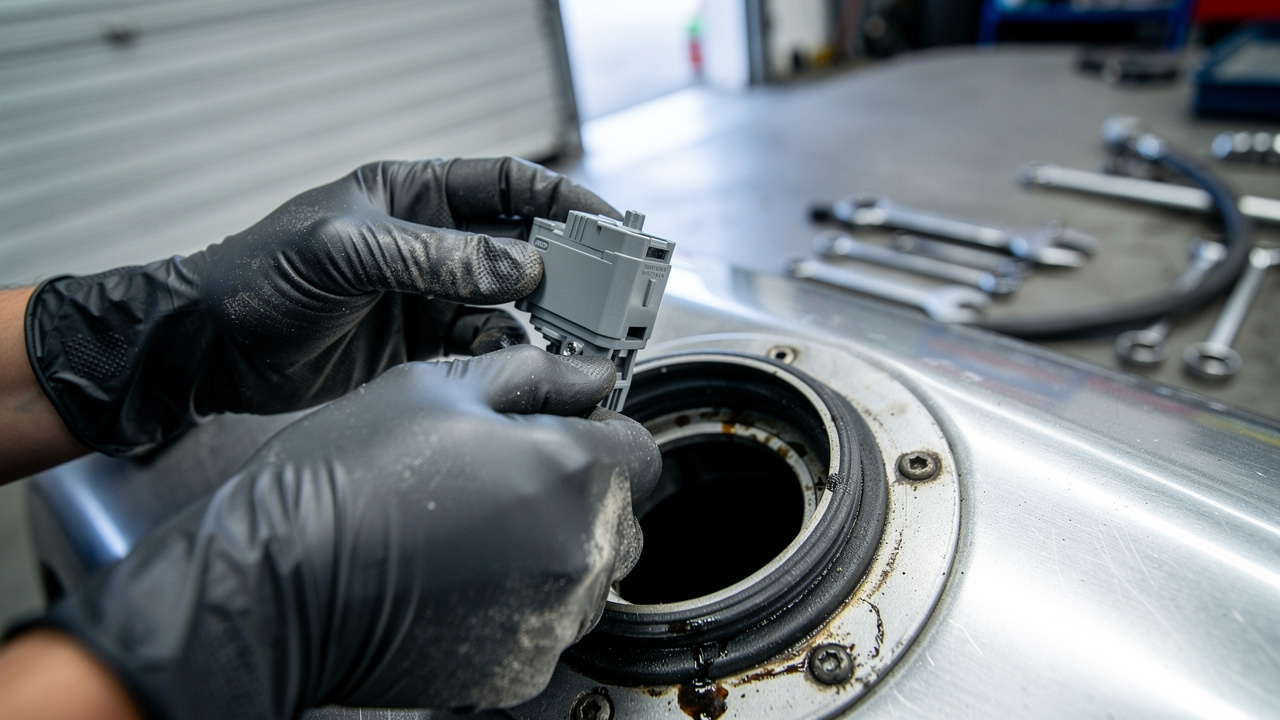
Plant equipment fuel control inside trucks, loaders and generators calls for a different approach, which is where Digit D-Fuel comes in. It monitors up to three tanks per vehicle using a level sensor fitted inside the tank itself, reporting real-time levels whether the engine is running or switched off. This measurement sits independent of the vehicle’s own dashboard data, so it keeps working where CANBUS readings fall short.
When fuel drops unexpectedly, the system sends an instant theft alert that includes the vehicle’s location and the time of the event, not just a vague trend line on a graph. Refuelling logs and consumption reports in litres per kilometre and litres per hour let managers compare one asset against another and spot the outlier that needs attention.
Building a reconciliation and accountability process
Technology only pays off once its data feeds into a regular routine, so delivered litres should be matched against slips and dispense records on a set schedule rather than only when something looks wrong. These audit-grade reports also support disciplinary action, supplier disputes and insurance claims, giving managers documented evidence instead of a guessing game over who used what and when.
What should you look for in a fuel monitoring system?
Choosing between fuel monitoring options comes down to matching the tool to the actual risk on site, rather than picking whichever system has the longest feature list. A site mainly interested in general trend visibility has different needs to one trying to stop deliberate theft at a bowser or storage tank.
Local support and hardware built for harsh conditions matter just as much as the features list, since a sensor that fails in dust or heat offers no protection at all. The table below gives a quick way to match the need to the right type of solution.
| Need | Suitable solution |
|---|---|
| Fleet vehicle theft detection and consumption tracking | Digit D-Fuel |
| Bulk tank and bowser control with pump-level authorisation | Digit D-Bulk |
| General trend visibility only | Standard CANBUS data may suffice |
The takeaway
Fuel losses on mining and construction sites are preventable once operators stop estimating diesel and start measuring it at the tank, the bowser and the pump. The challenges covered here, from siphoning and manual blind spots to CANBUS limitations and weak reconciliation, all share the same root cause, which is a lack of verified data at the point fuel is stored or used.
Digit 247 FMS pairs Digit D-Fuel for vehicles and plant with Digit D-Bulk for bowsers and bulk tanks, with reports that support audits and supplier disputes. Take a hard look at how much visibility your site actually has over diesel today, and treat any gap as a cost waiting to be reduced.
Frequently asked questions
How much fuel is typically lost to theft on a mining or construction site?
Losses vary by site, but even a few litres lost daily compounds into a large annual figure across a fleet. When siphoning goes undetected for weeks, a single incident can account for hundreds of litres before the pattern is noticed.
Can CANBUS data alone prevent diesel theft?
No, CANBUS readings are filtered and averaged for dashboard display, not accuracy. This suits general trend awareness, but it cannot reliably flag a sudden drop or provide the audit-grade detail needed for theft detection or disputes.
What is the difference between bowser monitoring and in-vehicle fuel monitoring?
Bowser and bulk tank monitoring, like Digit D-Bulk, controls fuel at the storage and dispensing point, matching deliveries and authorising who may pump. In-vehicle monitoring, like Digit D-Fuel, tracks fuel inside each vehicle’s own tank as it is used.
How quickly can a fuel theft alert reach site management?
Real-time alerts reach managers within moments of a drop being detected, including the vehicle’s location and the time of the event.
Does fuel monitoring work on remote mining and construction sites with poor signal?
Readings and alerts are sent over the cellular network, and coverage on remote sites varies, so we check signal at your site before installation and plan around any dead spots.
How does fuel reconciliation help with supplier disputes?
Fuel reconciliation matches the litres a delivery slip claims against what the tank actually records, showing quickly whether a delivery was short. That logged data then serves as evidence in supplier disputes or internal investigations.
Sources
- BusinessTech: official fuel prices for November 2026
- EWN: fuel levy relief drops to R1.50 a litre for diesel from 2 December 2026
- EWN: KZN Transport Department employee arrested in multi-million rand diesel theft syndicate
- South African Journal of Industrial Engineering: Development of a holistic diesel management system to reduce wastage in open-cast gold mining (2022)